
Looking to register your car in California? This comprehensive guide walks you through every step, from understanding eligibility requirements to submitting your application. We’ll also show you how to use a DMV VIN verifier, ensuring accuracy and efficiency. Gathering the right documents is crucial, so we’ve outlined what you need. By following these steps, registering your vehicle becomes a seamless process in California.
- Understand Eligibility Requirements for Car Registration in California
- Gather Necessary Documents for Car Registration
- How to Use a DMV VIN Verifier in California
- Complete the Car Registration Application Process
- Submit Your Application and Wait for Processing
Understand Eligibility Requirements for Car Registration in California

Before you begin the registration process, it’s crucial to understand the eligibility requirements for car registration in California. To register your vehicle, your car must meet specific standards set by the state. One key requirement is that your car must have a valid and accurate Vehicle Identification Number (VIN) that can be verified through a reliable source like a DMV VIN verifier. This ensures that the vehicle is genuine and meets safety standards.
Additionally, to streamline the registration process, consider utilizing a mobile VIN inspection or mobile VIN verification service. These services allow you to have your car’s VIN checked remotely, saving you time and effort. By ensuring your vehicle’s eligibility upfront using these tools, you can avoid potential delays or complications later on in the registration procedure.
Gather Necessary Documents for Car Registration

Before heading to the California Department of Motor Vehicles (DMV), ensure you have all the essential documents for a smooth car registration process. The first step involves verifying your vehicle’s identity through its unique identification number, known as the Vehicle Identification Number (VIN). You can use a DMV VIN verifier or opt for a mobile vin verification service to obtain this critical information quickly and accurately. This digital inspection ensures that your car is genuine, helping to prevent fraud and potential issues during registration.
Gathering these documents is crucial, including proof of ownership, such as a title certificate, valid insurance papers, and a current vehicle registration (if applicable from another state). Additionally, you’ll need a driver’s license or state ID and payment for the registration fee. For a seamless experience, consider conducting a vin inspection beforehand to avoid delays and confirm all details are in order before visiting the DMV.
How to Use a DMV VIN Verifier in California

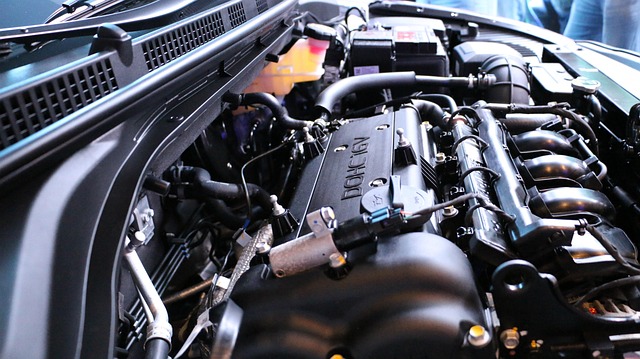
In California, using a DMV VIN Verifier is a straightforward process that allows you to ensure the vehicle’s history and authenticity before registering it. The first step is to locate the Vehicle Identification Number (VIN) on your car—it’s typically found on the driver’s side of the dashboard or under the hood. Once you have the VIN, you can access its detailed information through a DMV VIN Verifier tool. This service lets you verify the vehicle’s title history, accident records, and any reported damage, providing peace of mind before committing to the registration process.
For added convenience, many services offer mobile vin inspection options in California. These mobile vin verifiers provide real-time data, giving you instant access to a vehicle’s history. This is particularly useful when dealing with used car purchases, as it allows buyers and sellers to make informed decisions. By utilizing these tools, you can streamline the registration process, ensuring your new (or potential new) vehicle has a clean bill of health.
Complete the Car Registration Application Process

To complete the car registration application process in California, gather all necessary documents and visit a DMV location or use their online services. Start by filling out the Car Registration Application form, which can be obtained from the DMV website or picked up at any local office. Ensure that your vehicle’s information is accurate, including the Vehicle Identification Number (VIN). A crucial step in this process involves utilizing a DMV VIN verifier to cross-check the VIN details with state records, ensuring the vehicle’s authenticity and compliance with California regulations.
For convenience, many applicants opt for mobile vin verification or inspection services, allowing them to validate their car’s information from the comfort of their homes or on the go. This approach streamlines the registration process by eliminating the need for physical visits to DMV offices. Once your application is complete and verified, you’ll be issued a registration certificate, making your vehicle legally registered in California.
Submit Your Application and Wait for Processing

After completing your application for vehicle registration, it’s crucial to submit it along with the required documents and fees to the DMV. This can usually be done online or in-person at a local California DMV office. Once submitted, the process begins for the verification of your vehicle’s identification number (VIN). Many individuals opt for a mobile VIN verifier or conduct a VIN inspection to ensure the accuracy of the data associated with their car. The DMV will review your application and verify the information, including checking the vehicle’s history through its unique VIN.
During this phase, you may be asked to provide additional documentation or clear up any discrepancies. Patience is essential as processing times can vary based on various factors. While waiting, it’s helpful to know that a mobile VIN inspection service can offer convenience by providing immediate results, ensuring a smoother registration process if any issues are found during the initial verification.
Registering a car in California is a straightforward process that requires understanding the eligibility criteria, gathering essential documents, and completing an application. Utilizing a DMV VIN verifier streamlines the initial verification step, ensuring your vehicle meets all legal standards. By following these simple steps, you can efficiently navigate the registration process, making it hassle-free for both new and existing California residents. Remember, proper car registration not only ensures legal compliance but also contributes to safer roads for everyone.