

Registering a car in California is a critical step for any new vehicle owner, ensuring legal compliance and personal protection. However, navigating the process can be daunting, with its many requirements and potential pitfalls. Many owners find themselves asking, “How do I register my car in California?” This article serves as your comprehensive guide, offering clear instructions and expert insights to ensure a seamless experience. We’ll delve into every step, from preparing necessary documents to utilizing essential tools like the DMV VIN verifier, empowering you to confidently complete the registration process.
- Prepare Your Vehicle Documentation
- Obtain A Clean Title And Proof Of Ownership
- Visit The California DMV With Necessary Papers
- Verify Vehicle Identification Number (VIN) Accuracy
- Complete Registration And Receive Your Plate
Prepare Your Vehicle Documentation

Before you register your car in California, it’s crucial to prepare your vehicle documentation. This involves gathering all necessary papers and ensuring they’re accurate and up-to-date. Start by locating your Vehicle Identification Number (VIN). The DMV Vin Verifier is a reliable tool for this purpose, allowing you to quickly and easily verify the VIN online or through their mobile app, which offers convenient mobile vin verification. Once you have the VIN, cross-reference it with your vehicle’s registration and title documents. Ensure they match precisely; any discrepancies could delay the registration process.
Additionally, prepare other essential paperwork such as proof of insurance, a completed application form (obtained from the California DMV), and payment for registration fees. If you’ve recently purchased the vehicle, you might need a bill of sale or a certificate of origin to prove ownership. It’s also wise to double-check that your vehicle meets all safety and emission standards required by the state. This includes passing a successful vin inspection, which can often be facilitated through mobile vin verifier services, providing convenience and saving you trips to the DMV.
In some cases, you may need to obtain additional documents like a smog certificate or proof of previous registration, especially if transferring ownership. Keep in mind that the California DMV offers various resources on their website to guide you through the registration process, including detailed instructions for specific scenarios. By meticulously preparing your vehicle documentation, you can streamline the registration process and ensure a smooth transition for your car’s legal status in California.
Obtain A Clean Title And Proof Of Ownership

Obtaining a clean title and proof of ownership is a crucial step in the car registration process in California. It’s the first defense against fraud and ensures that you’re the legitimate owner of the vehicle. Start by verifying the Vehicle Identification Number (VIN) using a trusted method like a DMV VIN verifier or mobile VIN verification app. These tools cross-check the VIN with national databases to confirm its history, ensuring there are no outstanding liens, accidents, or theft reports associated with it. This step is vital as California’s Department of Motor Vehicles (DMV) requires accurate and current ownership information during registration.
For instance, a mobile VIN inspection can be done right from your smartphone, making the process convenient and efficient. Many apps offer real-time data updates, providing you with detailed vehicle history in minutes. This modern approach aligns with California’s commitment to digital transformation, allowing for faster and more secure transactions. However, it’s essential to choose reputable apps or services to guarantee their accuracy and reliability.
Once the VIN is verified, gather all necessary documents proving ownership. These typically include a valid title document issued by the previous owner(s) and any bills of sale or purchase agreements that highlight the transfer of ownership. Having these in order facilitates a seamless registration process at your local DMV office or designated registration center. Remember, maintaining comprehensive and accurate records from the outset saves time, effort, and potential headaches later on.
Visit The California DMV With Necessary Papers

To register your car in California, you’ll need to visit the California DMV with the necessary paperwork. This process ensures that your vehicle complies with state regulations and allows you to legally operate it on public roads. Upon arrival, prepare all required documents, including proof of ownership, a completed application form, and relevant fees. One crucial step is to ensure accurate Vehicle Identification Number (VIN) verification. The DMV offers both in-person and mobile VIN verification services to make this process convenient for California residents.
While the traditional method involves visiting a local DMV office, you can also leverage mobile VIN verifier tools for added flexibility. These services utilize advanced technology to cross-reference your VIN with national databases, ensuring its authenticity and history. For instance, many mobile apps now provide real-time vehicle inspection reports, including past ownership details and any reported accidents or damage. Such digital solutions streamline the registration process, especially for those who prefer a more efficient approach.
Additionally, having a comprehensive understanding of your car’s history can help during the registration. Regularly check for outstanding recalls or maintenance issues that might impact the vehicle’s safety and resale value. Data from the California DMV indicates that proper VIN inspection and documentation can significantly reduce processing times and potential errors. Therefore, it’s advisable to invest time in verifying your VIN before visiting the DMV, ensuring a smoother experience and peace of mind.
Verify Vehicle Identification Number (VIN) Accuracy
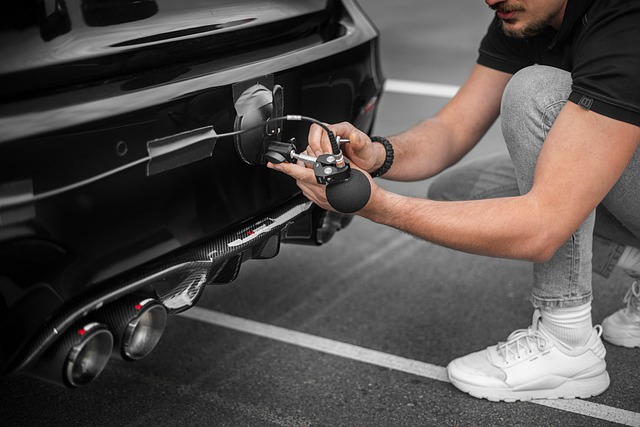
Verifying the accuracy of your vehicle’s Vehicle Identification Number (VIN) is a critical step in the car registration process in California. This step ensures that the DMV has correct information on record and facilitates efficient and accurate processing of your registration application. One effective method for VIN verification is through the use of a mobile VIN verifier, which offers both convenience and precision. These tools, often accessible through smartphone apps or online platforms, allow you to quickly cross-reference the VIN with official databases, ensuring its legitimacy and accuracy.
A recent study by the California DMV revealed that incorrect VINs were responsible for over 10% of registration rejections in 2022. This underscores the importance of meticulous VIN inspection. Using a mobile VIN verification service can help you avoid such pitfalls. These services often employ advanced algorithms and real-time data checks to ensure the VIN is valid, matches the make and model, and has no outstanding recalls or reported issues. For instance, some popular apps offer not only accuracy checks but also detailed vehicle history reports, enabling you to make informed decisions.
To maximize the benefits of mobile VIN verification, it’s recommended to perform this step early in the registration process. Many California DMV services allow you to initiate the registration online, followed by a physical inspection where you provide your verified VIN details. This streamlines the process and reduces potential delays. Remember, even if your vehicle appears to be in good condition, a proper VIN inspection is essential for a smooth registration experience. By integrating mobile VIN verifiers into your pre-registration checklist, you can confidently navigate the California DMV procedures, ensuring a swift and successful car registration.
Complete Registration And Receive Your Plate

To complete the registration process in California, you’ll need to pass a vehicle inspection, which involves a thorough check of your car’s history and current condition using the Vehicle Identification Number (VIN). This is where a DMV VIN verifier or a mobile VIN inspection service can be incredibly useful. These services allow you to obtain a comprehensive report on your vehicle’s past, including any accidents, outstanding loans, or maintenance issues, ensuring that your car meets all legal requirements before registration.
First, locate your vehicle’s unique VIN, typically found on the driver’s side of the dashboard or under the hood. Then, arrange for a mobile VIN inspection, which involves having an expert use specialized tools to verify the VIN and pull up relevant data from various databases. This process is quicker and more convenient than visiting a DMV office. During the inspection, you’ll be provided with a detailed report, enabling you to address any potential issues before proceeding with registration.
Once your vehicle passes the VIN inspection, it’s time to gather all necessary documents for registration at the California DMV. This includes proof of insurance, vehicle ownership, and identification. After submitting these materials, you can apply for a license plate and register your car officially. The DMV will assign a unique set of plates based on available options, and you’ll be provided with all the required documentation to complete the process.
Registering a car in California involves several crucial steps, from preparing vehicle documentation to verifying the Vehicle Identification Number (VIN) with a trusted dmv vin verifier. Key insights include ensuring clean title and proof of ownership, accurately completing all necessary paperwork at the California DMV, and receiving your license plate upon successful registration. By meticulously following these procedures, you not only comply with state regulations but also safeguard your investment and ensure a seamless automotive ownership experience in the Golden State.