

Registering a car in California is a vital step for any new owner, ensuring legal compliance and protecting your investment. However, navigating the process can be daunting, with numerous requirements and varying procedures across counties. This comprehensive guide aims to demystify the process, providing a clear roadmap for success. We’ll detail each step, from gathering essential documents to using a VIN verifier to ensure the vehicle’s history is spotless. By the end, you’ll be equipped with the knowledge to register your vehicle seamlessly and with confidence.
- Prepare Necessary Documents for Car Registration
- Verify Vehicle's VIN: Essential Step in California
- Select an Appropriate Registration Class for Your Vehicle
- Visit a California DMV Office or Use Online Services
- Pay Registration Fees and Receive Your Certificate of Registration
Prepare Necessary Documents for Car Registration

Before registering your car in California, ensure you have all the necessary documents ready. This process is crucial for a smooth and efficient registration experience. Key among these documents is the Vehicle Identification Number (VIN), which serves as a unique identifier for your vehicle. Utilizing a mobile VIN verifier can significantly aid in this process. These digital tools not only validate the VIN’s authenticity but also provide crucial information about the car’s history, including any previous accidents or outstanding issues. For instance, some popular mobile VIN verifiers offer comprehensive reports within seconds, ensuring you’re well-prepared.
Additionally, gather important paperwork such as proof of ownership (or a Bill of Sale), a valid driver’s license, and current registration (if transferring from another state). If your vehicle is new, the dealer will typically provide these documents. However, for used cars, it’s essential to obtain all necessary papers independently. Remember, a thorough VIN inspection using a mobile verifier 1-2 times before purchase can save you from potential surprises later. California Department of Motor Vehicles (DMV) guidelines recommend ensuring all documents are up-to-date and accurate to avoid delays in registration.
Once your documents are in order, the next step involves visiting a DMV field office or using their online services for registration. The online process requires you to input your VIN and other details, while the physical visit entails presenting your documents and passing any required inspections, including a visual check of your vehicle. Properly prepared, these steps should be straightforward, ensuring your car is registered smoothly and legally in California.
Verify Vehicle's VIN: Essential Step in California
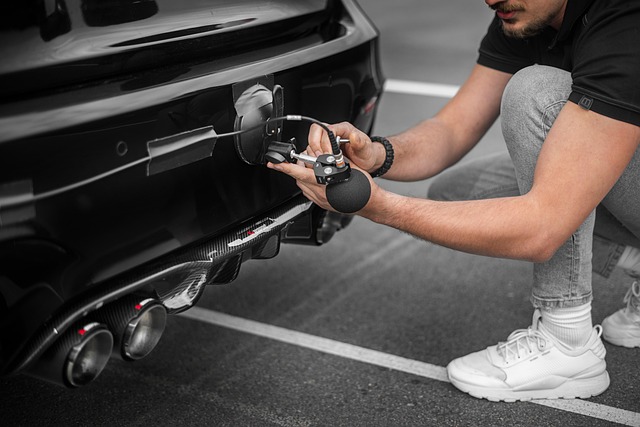
Verifying a vehicle’s VIN (Vehicle Identification Number) is a crucial, often overlooked, step in the car registration process in California. This unique 17-character code is the key to ensuring the vehicle’s history and authenticity, and its verification is mandatory for a successful registration. A simple yet powerful tool, the VIN verifier, plays a pivotal role in this process, offering both convenience and accuracy.
Mobile VIN verification has become increasingly popular, providing a fast and efficient way to check a vehicle’s history. Many professional services offer this on-the-go solution, allowing drivers to get a comprehensive VIN inspection in minutes. This method is particularly useful for California residents who may have limited access to traditional inspection facilities. With a simple check, these mobile services can reveal important details such as accident history, outstanding recalls, and previous ownership, ensuring a well-informed decision during registration.
For instance, a recent study by the California Department of Motor Vehicles (DMV) highlighted the significance of this step, noting that over 10% of vehicles inspected lacked accurate or verifiable VINs. This statistic underlines the importance of using reliable VIN inspection methods, whether through fixed or mobile services. By employing these tools, California drivers can safeguard against potential issues, ensuring their vehicles are safe and compliant with registration requirements.
Select an Appropriate Registration Class for Your Vehicle

When registering your car in California, selecting the right registration class is a crucial step that often goes overlooked. Each vehicle type falls into distinct categories based on factors like age, make, model, and use—from classic cars to electric vehicles (EVs). The appropriate classification ensures accurate fees and ensures you’re meeting all legal requirements.
For instance, if your car is over 25 years old, it might qualify for a vintage or classic car registration, which typically has reduced fees compared to regular classes. Conversely, newer EVs may be eligible for specific emissions-related categories that offer incentives and discounts. Utilizing a VIN verifier—whether through a mobile app or service—can significantly aid in this process by providing detailed insights into your vehicle’s history and classification, including its original equipment manufacturing (OEM) specifications and any modifications.
Performing a VIN inspection is a practical step to ensure accuracy. Mobile VIN verifiers play a pivotal role here, offering convenience and precision. These tools scan the unique Vehicle Identification Number (VIN) to access extensive databases, delivering instant results that can guide you through the registration process. Data-driven insights from these checks may reveal important details about your car’s history, such as previous ownership, accident records, or outstanding recalls, all of which influence its registration class.
By thoroughly understanding these factors and leveraging available resources like mobile VIN verifiers, California residents can ensure they’re registering their vehicles in the most appropriate class. This meticulous approach not only saves time and money but also promotes fair and sustainable vehicle regulation.
Visit a California DMV Office or Use Online Services

Registering a car in California involves a straightforward process, offering two convenient options for vehicle owners. One effective approach is to visit a local California Department of Motor Vehicles (DMV) office. These offices provide direct assistance and can guide you through every step. Upon arrival, bring necessary documents such as the title, proof of insurance, and identification. A DMV representative will then assist with the registration process, which includes verifying your vehicle’s unique identifier—the Vehicle Identification Number (VIN). This VIN inspection is a critical aspect, ensuring the accuracy of your car’s information.
Alternatively, California’s DMV offers a comprehensive range of online services, making registration efficient and accessible from the comfort of home. The website provides an intuitive interface for selecting and completing registration forms. Here, you can input your vehicle details, including the VIN, which is automatically verified by the system. This method streamlines the process, especially for those with busy schedules or accessibility needs. Online services also offer real-time updates on required documents, ensuring a smooth experience.
For added convenience, consider utilizing mobile vin verification tools. These apps and services allow you to conduct a quick VIN inspection right from your smartphone. Many auto-related apps provide this feature, offering an easy way to ensure your vehicle’s details are correct before initiating the registration process. This modern approach reflects California’s commitment to embracing technology for efficient government services.
Pay Registration Fees and Receive Your Certificate of Registration

Paying the registration fees is a crucial step in the process of registering your car in California. These fees vary depending on several factors, such as the age and type of vehicle you own. For example, lighter vehicles like motorcycles or low-emission cars may be subject to lower rates. You can calculate these fees using the official California Department of Motor Vehicles (DMV) fee calculator. Once you’ve determined your total cost, which may include a registration fee, emission inspection fees, and other applicable charges, it’s time to proceed with payment.
You have several options for paying your car registration fees in California, including online, by phone, or in-person at a DMV field office. Online payments are typically the fastest and most convenient method, allowing you to complete the process from the comfort of your home using the DMV’s official website. If you prefer a more traditional approach, visiting a local DMV office lets you interact with a representative who can guide you through the payment process and answer any questions regarding your vehicle’s inspection or registration history.
After successfully paying the registration fees, the California DMV will issue your Certificate of Registration, also known as the registration card or license plate. This document is proof that your vehicle is legally registered in the state of California. It’s important to keep this certificate on hand, as you may need to present it during future interactions with law enforcement or when conducting routine vehicle inspections, which can be conveniently arranged through mobile vin verification services that offer on-site VIN inspection and documentation updates.
Registering a car in California involves a meticulous process, from gathering essential documents to ensuring vehicle authenticity via a VIN verifier. Key takeaways include preparing comprehensive paperwork, understanding your vehicle’s classification for accurate registration, and utilizing either in-person or online services at the California DMV. Payment of registration fees concludes the process, resulting in a Certificate of Registration. By following these steps, individuals can navigate the requirements with confidence, ensuring their vehicles are legally registered and roadworthy within the state’s stringent regulations.