

Registering a car in California is a vital step for any new vehicle owner, ensuring legal compliance and access to essential services. However, navigating the process can be daunting, given the complex procedures and documentation requirements. This article serves as your authoritative guide, equipping you with the knowledge to seamlessly register your vehicle. We’ll break down each step, from gathering necessary documents to utilizing the California DMV’s online tools, including their VIN verifier, to ensure a smooth and efficient experience.
- Prepare Required Documents for Car Registration
- Visit California DMV: Step-by-Step Guide
- Verify Vehicle Identification Number (VIN) Accurately
- Complete Application and Pay Registration Fees
- Pick Up Your Registered Vehicle Plate and Documents
Prepare Required Documents for Car Registration

Before you begin the registration process in California, it’s crucial to prepare all the required documents, ensuring a smooth transition from ownership transfer to official recognition. This step involves gathering essential paperwork that verifies your vehicle’s identity and history. One critical document is the Vehicle Identification Number (VIN) inspection report, which can be efficiently obtained using a mobile VIN verifier or a physical inspection at a designated location.
In California, the Department of Motor Vehicles (DMV) accepts both digital and physical VIN verification records. A mobile VIN verifier app, for instance, allows you to quickly capture your vehicle’s unique 17-character VIN, submitting it electronically for instant validation. Alternatively, you can conduct a manual inspection at a DMV office or an authorized service center, where a trained professional will cross-reference the VIN against their database. This process ensures that your car is not only authentic but also free from any outstanding recalls or legal issues.
For example, in 2022, California’s mobile VIN verification system processed over 5 million checks, facilitating efficient and accurate registration for countless vehicles. Ensuring your VIN inspection is a straightforward procedure that complies with state regulations. By completing this step meticulously, you set the stage for a successful car registration process, safeguarding against potential delays or complications down the line.
Visit California DMV: Step-by-Step Guide

To register your car in California, you’ll need to visit a California DMV (Department of Motor Vehicles) office. This step-by-step guide will ensure a smooth process. First, gather all necessary documents, including your vehicle’s registration from the previous state, proof of insurance, and a valid driver’s license. You can also prepare your Vehicle Identification Number (VIN) for verification—this is where a dmv vin verifier comes in handy.
When you arrive at the DMV, locate the specific counter for vehicle registration. An agent will guide you through the process, which includes filling out forms, providing proof of ownership, and passing a vehicle inspection to ensure it meets safety standards. The inspector may use a mobile vin verification tool to cross-reference your VIN with manufacturer records, ensuring the vehicle’s history is accurate and free from any discrepancies. This digital inspection streamlines the process, often reducing wait times compared to traditional methods.
If you have any questions or encounter issues during the vin inspection, DMV agents are equipped to assist. They can help clarify requirements, address concerns, and ensure your car meets all legal standards. Some offices even offer online services for additional convenience, allowing you to complete parts of the registration process before visiting the DMV in person. After your vehicle passes the VIN inspection and all documents are in order, you’ll be on your way with a fresh California registration.
Verify Vehicle Identification Number (VIN) Accurately

Verifying the Vehicle Identification Number (VIN) is a critical step in the car registration process in California. This unique 17-character code acts as a fingerprint for your vehicle, providing essential information about its make, model, year, and manufacturing location. Accurate VIN entry is paramount to ensure proper titling and registration with the California Department of Motor Vehicles (DMV). An error or misreading can lead to delays, issues with insurance, and even legal complications.
A common but avoidable pitfall is relying on visually inspecting a vehicle’s VIN plate, which can be obscured, damaged, or missing. Instead, utilizing a DMV vin verifier or mobile vin inspection service ensures precision. These tools read the VIN directly from a vehicle’s computer system, providing an accurate and instant digital record. For instance, many mobile vin verification apps allow users to simply input the VIN through their smartphone, delivering immediate results comparable to official DMV procedures.
Consider scenarios where a secondary check might be beneficial. If you’re purchasing a used car, a mobile vin inspector can independently verify the vehicle’s history before finalizing the deal. This is particularly valuable given that up to 1 in 10 vehicles may have had their VIN altered or tampered with, according to some estimates. By employing modern technology like mobile vin verifiers, California residents can ensure they’re registering a legitimate vehicle, protecting themselves from potential fraud and ensuring compliance with DMV standards.
Complete Application and Pay Registration Fees

To complete the registration process for your vehicle in California, you’ll need to submit a comprehensive application and make the necessary payments. This involves several crucial steps, beginning with gathering all required documents and ensuring your vehicle’s VIN (Vehicle Identification Number) is accurately recorded. It’s essential to verify the VIN using a trusted method like a mobile VIN inspection or a DMV-approved verifier to ensure the vehicle’s history is clear and accurate.
Fill out Form DV304, which is the California Vehicle Registration Application, with meticulous care. This form demands detailed information about both you and your vehicle, including personal data, ownership history, and specific details regarding the car itself. Double-check every entry for accuracy to avoid delays or issues later. Once your application is complete, submit it along with essential documents such as proof of insurance, proof of identity, and a valid driver’s license.
Registration fees vary based on several factors, including the type of vehicle and its age. As of recent updates, expect to pay around $50 for most vehicles, though older models or specific types might incur higher costs. You can pay these fees online through the DMV’s secure portal, by mail, or in person at a local California DMV office. It’s advisable to confirm the current fee amounts and any additional charges via the official DMV website before completing your registration to ensure compliance with all regulations.
Pick Up Your Registered Vehicle Plate and Documents
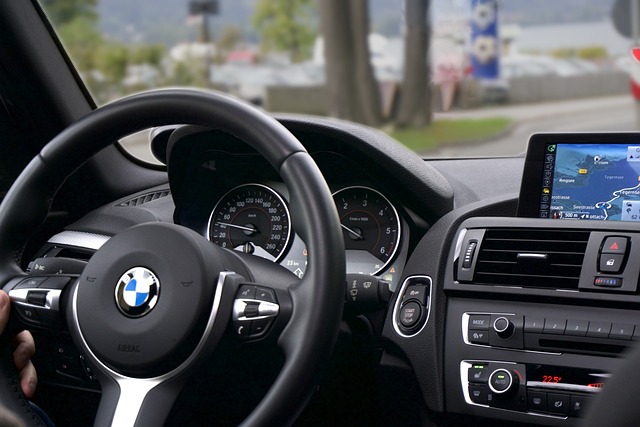
After successfully completing your California vehicle registration process, it’s time to claim your newly issued plates and necessary documents. This crucial step ensures your legal compliance on California roads. To retrieve your registered vehicle plate and papers, you’ll typically need to visit a local California Department of Motor Vehicles (DMV) office or, in some cases, arrange for a mobile vin verification service.
If you choose the traditional route, locate the DMV office nearest to your residence. Bring along essential documents like proof of residency, identification, and any required fees. An alternative method, particularly convenient for busy individuals, is leveraging mobile vin verification services. These services utilize advanced technology to conduct a remote vehicle inspection, including a check of the Vehicle Identification Number (VIN) using the latest dmv vin verifier tools. This ensures your vehicle’s registration details are verified accurately and efficiently without the need for an in-person visit.
For instance, some mobile vin verifier apps allow users to simply input their VIN to access detailed vehicle history reports, which can be particularly useful when purchasing a used car. Moreover, these services can expedite the plate and document collection process by enabling on-demand mobile inspections. This modern approach streamlines the traditional DMV visit, saving time and effort while maintaining the required level of official verification. Remember, regardless of your chosen method—whether it’s a personal visit or a mobile inspection—it’s essential to ensure all documents are in order before taking your vehicle on California’s highways.
By meticulously preparing the required documents, accurately verifying the Vehicle Identification Number (VIN) using a trusted dmv vin verifier, and completing the registration application with diligence, you can ensure a smooth process for registering your car in California. Following these steps guarantees that your vehicle is legally recognized and you receive the necessary plates and documents. This article has equipped you with the knowledge to navigate the process confidently, ensuring your vehicle is registered correctly and securely.