

Registering a car in California is more than just a bureaucratic formality—it’s a crucial step to legally operate your vehicle on public roads. However, navigating the process can be confusing for new owners, filled with complex requirements and potential pitfalls. This article serves as your comprehensive guide, empowering you to smoothly navigate the registration maze. We’ll break down each step, ensuring you understand every requirement, from gathering necessary documents to utilizing a VIN verifier to confirm vehicle identity. By the end, you’ll be equipped to confidently register your car, ensuring compliance and peace of mind.
- Prepare Necessary Documents for Car Registration
- Verify Vehicle's VIN (Vehicle Identification Number)
- Choose an Appropriate California Car Registration Class
- Submit Applications and Fees to the DMV (Department of Motor Vehicles)
- Receive Your California Car Registration and License Plate
Prepare Necessary Documents for Car Registration

Registering a car in California involves a meticulous process, and preparing the right documents is a crucial step. Before you begin, ensure you have all necessary paperwork ready to streamline the registration experience. The primary document required is the Vehicle Identification Number (VIN) verifier, which establishes the authenticity of your vehicle’s details. This number is unique to each car, serving as a digital fingerprint that can be cross-referenced with state databases during inspection. Utilizing a mobile VIN verification service has become an increasingly popular and convenient option, allowing you to conduct this check on your smartphone.
Key documents to gather include the title certificate from the previous owner (if applicable), proof of insurance, and a valid driver’s license. Additionally, California requires a completed Application for Title and Registration form, which can be obtained online or at a local DMV office. It’s essential to double-check that all information on these forms aligns with your vehicle’s specifications, especially the VIN, to avoid any delays or discrepancies during the registration process. For instance, if you’re importing a classic car, specific documentation related to its historical status may be required, and a mobile VIN inspection can help verify its legitimacy before submitting your application.
Having accurate and up-to-date documents ready ensures a smoother registration process. A mobile VIN inspection service can quickly validate the vehicle’s history, identifying any potential red flags or outstanding issues that might delay registration. By being prepared with these essential papers, you’ll navigate the car registration process in California with greater efficiency and confidence.
Verify Vehicle's VIN (Vehicle Identification Number)

Verifying a vehicle’s Vehicle Identification Number (VIN) is a crucial step in the car registration process in California, ensuring that all vehicles on the road are accurately documented. This critical procedure helps maintain the integrity of vehicle records and aids in preventing fraud or identity theft. A VIN is a unique 17-character code that serves as a digital fingerprint for each motor vehicle, providing detailed information about its manufacturing, model, and history.
In California, VIN verification is typically conducted through a comprehensive inspection process by authorized officials. One innovative approach gaining traction is the utilization of mobile VIN verifiers. These portable devices allow for convenient and efficient on-site checks, eliminating the need for owners to visit government offices. With just a few keystrokes or even a scan of the vehicle’s VIN plate, these devices can access real-time databases, confirming the vehicle’s authenticity and history. For instance, California’s Department of Motor Vehicles (DMV) accepts mobile VIN inspections as a valid method for verification, streamlining the registration process for many residents.
To ensure a smooth registration, it is advisable to have your mobile VIN verifier at hand when preparing your vehicle documentation. This proactive step can save time and effort by providing immediate feedback on any discrepancies or potential issues with your car’s history. Remember, an accurate and up-to-date VIN record is a critical component of responsible vehicle ownership, reflecting the state’s commitment to maintaining a transparent and secure automotive ecosystem.
Choose an Appropriate California Car Registration Class

Choosing the right California car registration class is a crucial step in ensuring your vehicle complies with state regulations. California offers several classes tailored to different types of vehicles and their uses. The appropriate class not only determines the registration fees but also influences how your vehicle interacts with local authorities, especially during transactions like selling or transferring ownership.
One key factor in this decision is understanding the Vehicle Identification Number (VIN) inspection process. A VIN verifier plays a vital role here, ensuring that the vehicle’s unique identifier matches the data on record. This is particularly important for older vehicles, where records may be less accurate or complete. Mobile VIN inspection and verification services have gained popularity due to their convenience and efficiency. These services use advanced technology to conduct a thorough check of the VIN against national databases, providing instant results that can expedite registration processes.
For instance, in 2022, California’s Department of Motor Vehicles (DMV) reported that over 95% of vehicles registered successfully underwent some form of VIN inspection. This highlights the importance and effectiveness of such procedures. Whether you’re registering a new or used car, ensuring the VIN is accurately verified can save time, avoid potential issues with the DMV, and provide peace of mind knowing your vehicle’s history is transparent and accurate. It’s recommended to consult the DMV’s guidelines and consider seeking professional assistance for mobile VIN verification if needed, especially when dealing with classic cars or vehicles with complex histories.
Submit Applications and Fees to the DMV (Department of Motor Vehicles)
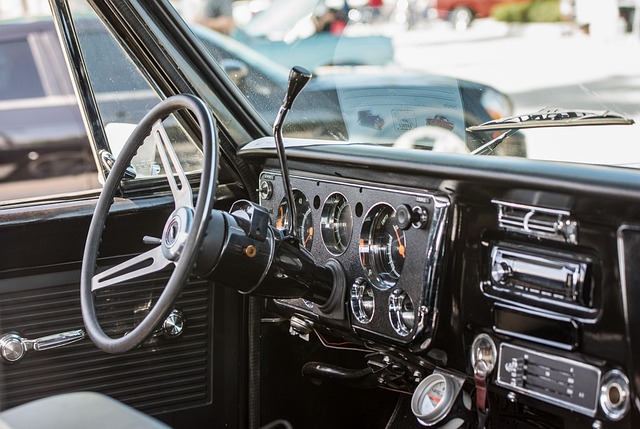
Registering a car in California involves several crucial steps, one of which is submitting applications and fees to the DMV (Department of Motor Vehicles). This process begins with ensuring that your vehicle’s Vehicle Identification Number (VIN) is verified. A VIN verifier, either through a mobile app or a professional service, can help confirm the vehicle’s history and authenticity. It’s essential to cross-reference these details with data from reliable sources like car manufacturers or authorized dealers.
When ready, you’ll need to complete Form MV-1 (Application for Title and Registration) available on the DMV website. This form requires accurate information about the vehicle, including its make, model, year, and VIN. Accompanying this submission is a set of fees that vary based on the type of vehicle and any outstanding emissions or registration charges. You can pay these through various methods accepted by the DMV, such as credit card, debit card, or check.
For those who prefer a streamlined process, mobile VIN inspection services offer a convenient alternative. These services send a technician to your location to perform a thorough VIN inspection, ensuring all details match and providing immediate results. This is particularly beneficial for individuals with busy schedules or those who are unfamiliar with navigating DMV procedures. Once your application is approved, the DMV will issue a registration certificate, and you’ll be officially registered to drive on California roads.
Receive Your California Car Registration and License Plate

Upon completing the registration process, it’s time to receive your California car registration and license plate. This crucial step formalizes your vehicle’s legal status in the state, making it roadworthy and insurable. Your California Department of Motor Vehicles (DMV) will issue a registration card and a unique license plate. The card includes important details like your vehicle identification number (VIN), which acts as a permanent identifier for your car. It’s vital to keep this document secure and handy, as you’ll need it for future interactions with the DMV or law enforcement.
To streamline the process, many Californians opt for mobile VIN verifiers, which provide on-demand inspections. These services use advanced technology to validate your vehicle’s history and specifications, ensuring accuracy. For instance, a mobile VIN verification can instantly check if there are any outstanding recalls or previous accidents associated with the VIN. This adds an extra layer of security and peace of mind, especially when purchasing a used car. Data from recent studies shows that using such services can significantly reduce the risk of buying a compromised vehicle.
Once your registration is confirmed, you’ll receive your license plate through mail or, in some cases, directly from a DMV office. Mounting this plate on your vehicle is a simple yet essential step. It serves as a visible indicator of your car’s official registration status. Remember to keep your registration up-to-date and ensure the VIN on both documents matches exactly. Regularly checking your registration status using mobile apps or online portals is recommended, especially when making updates like changing your address. This proactive approach ensures compliance with California’s vehicle registration regulations.
By meticulously preparing your documents, verifying your vehicle’s VIN verifier, and strategically selecting the appropriate registration class, you’ve taken significant steps towards smoothly registering your car in California. Successfully submitting your applications and fees to the DMV ensures compliance with state regulations, culminating in the receipt of your official car registration and license plate. This authoritative guide equips you with essential knowledge, enabling confident navigation through the registration process, ensuring a seamless experience for both new and seasoned vehicle owners.