

Registering a car in California is a crucial step for any new or existing vehicle owner. The process can be daunting, with numerous requirements and steps to ensure compliance with state laws. One critical aspect often overlooked but essential for authenticity is Vehicle Identification Number (VIN) verification. This article serves as your comprehensive guide, detailing the step-by-step process of car registration in California, with a focus on the critical role VIN verification plays in maintaining vehicle history and ensuring legitimate transactions. By the end, you’ll be equipped to navigate this labyrinthine process with confidence and expertise.
- Gather Required Documents for Car Registration in California
- Prepare Your Vehicle for Inspection: VIN Verification Process
- Choose an Appropriate Registration Class and Fees
- Submit Applications and Pay Fees Online or In-Person
- Maintain Your Vehicle's Registration and Compliance Requirements
Gather Required Documents for Car Registration in California

Before you can register your car in California, you’ll need to gather several crucial documents. This process ensures a smooth transition for both new and existing vehicle owners. Among these documents, the Vehicle Identification Number (VIN) plays a central role, serving as a unique fingerprint for every vehicle. In California, VIN verification is a mandatory step during registration, emphasizing the importance of accurate and legitimate information.
One effective method to ensure this accuracy is through mobile VIN verification services. These services allow you to confirm your car’s history from the comfort of your home or even while you’re at a registration center. This modern approach streamlines the process, eliminating the need for lengthy paperwork and multiple visits. For instance, many California Department of Motor Vehicle (DMV) locations now offer mobile VIN inspection options, making it easier than ever to meet the state’s requirements. By leveraging technology like mobile VIN verification, you can save time and reduce potential errors.
Additionally, maintaining up-to-date records is essential. Keep digital or physical copies of all documents related to your vehicle, including purchase agreements, maintenance records, and any proof of insurance. During registration, these documents will be cross-referenced with state databases, so ensuring their accessibility and accuracy is vital. For example, if you’ve recently purchased a used car, the seller should provide a clear title and complete vehicle history report, which can facilitate the VIN inspection 1-3 times during the registration process to verify ownership and previous accidents or damage.
Remember, proper documentation is key to a successful car registration in California. By understanding what’s required and leveraging modern tools like mobile VIN verification, you can navigate this process with confidence, ensuring your vehicle’s information is accurate and up to date.
Prepare Your Vehicle for Inspection: VIN Verification Process
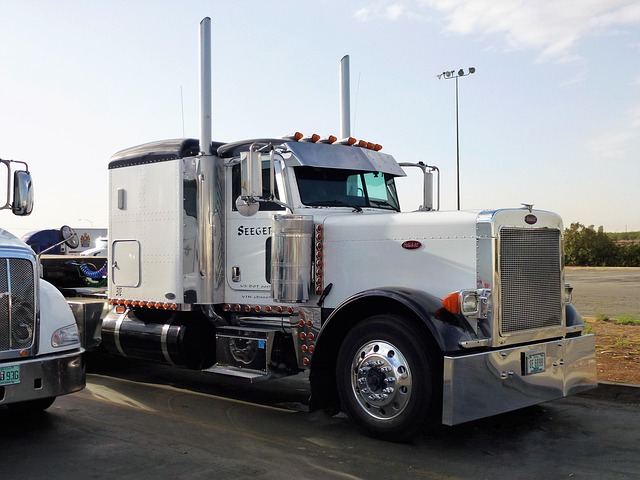
Before registering your car in California, it’s crucial to prepare your vehicle for the inspection process, particularly focusing on the Vehicle Identification Number (VIN) verification. This step is a critical part of the registration procedure designed to ensure every vehicle on California’s roads meets safety and environmental standards. During VIN verification, a professional inspector will cross-reference your car’s unique VIN with state records and manufacturer data to validate its authenticity and compliance.
The process involves several key elements. Firstly, you’ll need to obtain a valid registration application from the California Department of Motor Vehicles (DMV). This form requires detailed information about your vehicle, including its make, model, year, and—most importantly—its VIN. Once complete, you’ll typically be directed to a designated inspection station or, in some cases, have the option for a mobile vin verification service. These services send a trained professional to your location to conduct the inspection, offering convenience especially for those with busy schedules.
A mobile vin verifier is particularly beneficial as it streamlines the process without compromising accuracy. The inspector will use specialized equipment to scan and validate your VIN against federal and state databases. This technology ensures that your vehicle’s identification data matches the manufacturer’s records precisely. In California, where vehicle regulations are stringent, having a reliable mobile vin verification service can save time and potential headaches. Remember, accurate record-keeping is vital for both safety and legal compliance.
Choose an Appropriate Registration Class and Fees

Choosing the right registration class is a crucial step when registering a car in California. The state’s Department of Motor Vehicles (DMV) offers several categories based on vehicle type, age, and intended use. Each class has specific requirements and associated fees. For example, private passenger vehicles under 10 years old typically fall under Class A, which includes cars, SUVs, and minivans. Older or specialized vehicles might be classified differently, with correspondingly varied costs.
The Vehicle Identification Number (VIN) plays a pivotal role in this process, especially through vin verification and inspection. Accurate VIN data ensures the DMV can accurately assign the appropriate registration class, preventing any potential issues down the line. Mobile VIN verification services have gained popularity for their convenience; these services allow you to conduct a VIN inspection from the comfort of your home or office before registering your vehicle. By comparing the reported information with official records, you can verify key details such as the vehicle’s make, model, year, and history.
When determining fees, consider both the registration cost and any additional charges. California’s DMV sets fee structures that vary based on the class of registration and specific circumstances. For instance, a standard Class A registration might cost around $50, while an older or modified vehicle could incur higher fees due to extra safety inspections. It’s essential to research and budget accordingly to avoid surprises during the registration process. Utilizing online resources provided by the DMV can offer current fee schedules and help you prepare for what to expect.
Submit Applications and Pay Fees Online or In-Person

Registering a car in California involves several crucial steps, among which submitting applications and paying fees is a critical phase. You have the option to complete this process online or visit an in-person DMV location. Both methods offer convenience and efficiency, but some prefer the hands-on approach of a mobile VIN inspection or in-person verification for added peace of mind.
For online registration, you’ll need to access the California DMV website and navigate to the appropriate section. Here, you can submit your application forms digitally and pay using a secure online payment system. This method is ideal for those comfortable with digital platforms and looking to save time. However, ensure that all documents are up-to-date and accurate to avoid delays. For instance, during the COVID-19 pandemic, online services have become even more prevalent, allowing drivers to complete transactions from the comfort of their homes while still achieving crucial tasks like VIN verification.
Alternatively, visiting a DMV field office is an option that ensures immediate assistance from a representative. You can submit your application and pay fees in person, where staff can guide you through each step, especially if this is your first time registering or transferring ownership. A mobile VIN inspection service can also be arranged to streamline the process further. This involves a specialized technician visiting you at your location to perform the necessary VIN verification, ensuring all details are correct before finalizing registration. This personalized approach caters to those who prefer face-to-face interactions or have unique vehicle requirements.
Maintain Your Vehicle's Registration and Compliance Requirements

Maintaining your vehicle’s registration and compliance is a crucial aspect of car ownership in California. This involves more than just renewing your registration every year; it entails ensuring your vehicle meets all safety standards and legal requirements throughout its lifecycle. One critical component of this process is Vehicle Identification Number (VIN) verification, which serves as a unique identifier for each vehicle. In California, VIN verification is essential during registration, title transfer, or even when selling your car, ensuring that the vehicle is what it claims to be.
For convenience and accuracy, many California residents opt for mobile VIN inspection services, allowing them to verify their vehicles’ details from the comfort of their homes or offices. Mobile VIN verifiers use advanced technology to cross-reference the VIN with state databases, checking for any discrepancies or outstanding issues. This process is straightforward; you simply provide your VIN, and a professional will conduct a thorough check, including examining the vehicle’s history, identifying any recalls, and ensuring all documentation is in order. Regular VIN inspections, especially before significant transactions, can help prevent fraud and protect both buyers and sellers.
California’s Department of Motor Vehicles (DMV) recommends that owners keep accurate records of their vehicle’s maintenance and modifications. This practice enables smooth transitions during registration renewals or when transferring titles. By staying proactive with VIN verification, whether through mobile services or at a local DMV office, California drivers can ensure their vehicles remain compliant, enhancing overall safety on the state’s roads.
Registering a car in California involves several key steps, from gathering essential documents to maintaining ongoing compliance. By understanding the VIN verification process and choosing the right registration class, you can ensure a smooth and efficient experience. Submitting applications online or in-person is straightforward, but staying informed about fees and deadlines is crucial. Regularly updating your vehicle’s registration and adhering to legal requirements not only keeps your car legally compliant but also demonstrates responsible ownership. This comprehensive guide has provided essential insights into each step, empowering you with the knowledge needed to navigate California’s car registration process with confidence.