

Registering a car in California is a crucial step for any new or existing vehicle owner, ensuring legal compliance and protecting your investment. However, navigating the process can be confusing, with numerous requirements and steps to remember. This comprehensive guide aims to demystify the registration procedure, empowering you with the knowledge to complete it smoothly. We’ll walk you through each stage, from gathering essential documents to understanding fees and, crucially, emphasizing the importance of VIN verification for accurate record-keeping and vehicle identification.
- Prepare Necessary Documents for Car Registration in California
- Understand Eligibility Requirements: Who Can Register a Vehicle
- Gather Vehicle Information: VIN Verification Process
- Choose a Registration Method: Online or In-Person
- Complete the Registration Process and Obtain Your Plate
Prepare Necessary Documents for Car Registration in California

Before you can register your car in California, ensuring you have all the necessary documents is crucial. This process involves verifying several key components to guarantee the vehicle’s authenticity and ownership. One of the most critical steps in this preparation is completing a Vehicle Identification Number (VIN) verification. This unique 17-character code serves as a fingerprint for your car, providing essential details about its make, model, year, and even history. In California, it’s recommended to utilize a mobile VIN verifier for convenience and accuracy during the registration process.
A mobile VIN verification service allows you to inspect your vehicle’s VIN using advanced technology, often conducted by professionals equipped with specialized devices. This method offers several advantages, including on-site inspections, which are particularly useful if you’re registering a car at a remote location or have limited mobility. For instance, some companies offer mobile services that can perform VIN checks at your home or workplace, saving time and effort compared to traditional methods of visiting a DMV office or a third-party inspection station. This modern approach ensures that your vehicle’s registration is initiated with reliable data, minimizing potential delays.
During the preparation stage, it’s also beneficial to gather other essential documents, such as proof of insurance, a valid driver’s license, and the title or lease agreement for the car. Additionally, having previous inspection records can streamline the process. For instance, if your vehicle has recently undergone a safety inspection, this documentation can be presented during registration. By proactively preparing these materials, you contribute to a smoother car registration experience in California, ensuring your vehicle is legally registered and ready for road use.
Understand Eligibility Requirements: Who Can Register a Vehicle

In California, registering a car involves more than just filling out forms; you must meet specific eligibility requirements to ensure a smooth process. Understanding who is eligible to register a vehicle is crucial for both new and existing car owners. The primary factor in determining eligibility is the legal ownership of the vehicle, which requires proof of purchase and identification. This typically includes individuals, businesses, and other entities that have acquired a vehicle through lawful means.
One critical aspect that often determines eligibility is the Vehicle Identification Number (VIN) verification process. A mobile VIN verifier or a traditional VIN inspection plays a vital role in this procedure. The unique 17-character VIN provides essential information about the vehicle’s history, making it an indispensable tool for verifying ownership and preventing fraud. For instance, California’s Department of Motor Vehicles (DMV) may require a valid VIN to establish that the car is not stolen or has no outstanding liens, ensuring only legitimate owners can register their vehicles.
Additionally, specific groups such as individuals with disabilities or those serving in the military may have special considerations for vehicle registration. These cases often involve additional documentation to prove eligibility. For example, veterans might qualify for discounted registration fees or exemption programs. It’s essential to check with local DMV branches or use online resources to understand applicable rules and requirements tailored to your circumstances.
Gather Vehicle Information: VIN Verification Process
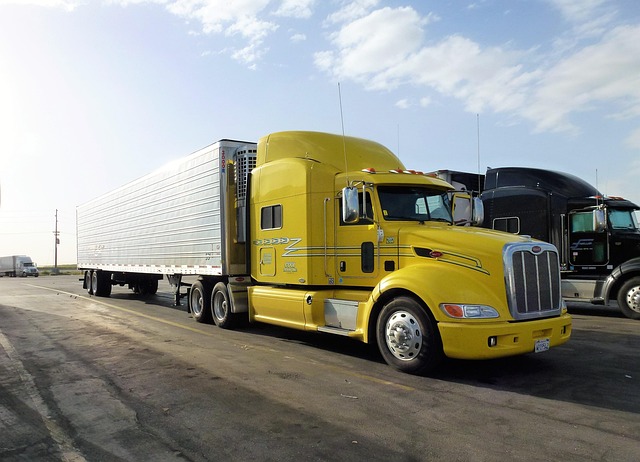
Before registering your car in California, you’ll need to gather crucial vehicle information, including your Vehicle Identification Number (VIN). This unique 17-character code is a critical component of the registration process and serves as a digital fingerprint for your vehicle. The VIN verification process ensures that the car you’re registering matches the specifications on record with the manufacturer. This step is vital to prevent fraud and ensure accurate data in California’s extensive vehicle database.
In California, VIN inspection can be conducted either at a designated Motor Vehicle Division (MVD) office or through a mobile vin inspection service. Mobile vin verification offers the convenience of having an inspector come to you, which can save time for busy individuals. Reputable mobile services employ trained professionals who use specialized equipment to cross-reference your VIN with manufacturer records and state databases, providing immediate results. This modern approach streamlines the process, especially for out-of-state vehicles or those with complex ownership histories.
For instance, a study by the California DMV found that approximately 2% of vehicles presented for registration had discrepancies in their VINs, highlighting the importance of meticulous verification. To avoid delays or issues during registration, ensure your VIN is accurate and readily available. Many online resources and mobile apps can help you locate this information on your vehicle’s documents or even through the car’s onboard computer system. Accurate VIN data ensures a smooth transition from ownership transfer to official registration, making it an indispensable step in the California car registration process.
Choose a Registration Method: Online or In-Person

Registering a car in California offers distinct options for convenience and accessibility. Among these, choosing between online and in-person registration methods presents an important decision. For many, the allure of digital solutions like online registration is undeniable, offering speed and comfort from the convenience of home or office. Online platforms typically require submitting essential documents such as proof of ownership, insurance, and identification, along with payment for fees. This streamlined process, however, may not account for every scenario; complex transactions or unique vehicle types might necessitate in-person verification for accurate vin inspection (Vehicle Identification Number).
An alternative approach involves utilizing mobile vin verifier services, which can be a game-changer for those seeking flexibility and efficiency. These digital tools allow users to input their VIN online or via an app, enabling quick cross-referencing with vehicle history data. This method is particularly advantageous in California, where the Department of Motor Vehicles (DMV) emphasizes the importance of accurate vin verification. For instance, mobile vin inspection services can help identify potential issues like odometer rollback fraud, ensuring a reliable registration process.
In-person registration remains a reliable choice for those who prefer face-to-face interactions or have complex vehicle histories. Visiting a local DMV office entails presenting physical documents and possibly undergoing additional checks, including a hands-on vin inspection by a qualified official. This method guarantees meticulous verification, especially in cases where online platforms might lack the capability to address peculiar circumstances. Ultimately, choosing between online and in-person registration depends on individual preferences, vehicle complexity, and comfort with digital versus traditional processes.
Complete the Registration Process and Obtain Your Plate

To complete the registration process and obtain your vehicle’s license plate in California, you’ll need to follow several straightforward steps. First, gather all necessary documents, including your vehicle’s Certificate of Title (if applicable), proof of insurance, and a valid driver’s license. It’s crucial to ensure that your vehicle meets all safety and emissions standards set by the state. Once prepared, visit a California Department of Motor Vehicles (DMV) field office or use their online services for registration. If you’re opting for a mobile vin verification service, ensure it’s DMV-approved to streamline the process.
During registration, you’ll need to provide your Vehicle Identification Number (VIN) for vin verification. This step is vital to ensure the vehicle’s history aligns with what the seller has disclosed. Many reputable mobile vin verifier apps offer this service conveniently from your smartphone, providing real-time data on the vehicle’s previous owners, accidents, and maintenance records. After successful VIN verification, you can proceed with registration.
The DMV will assign a unique license plate number and issue your plates. If you prefer custom plates or have specific preferences, ensure you communicate this during the registration process. In some cases, it might take several weeks to receive your plates, especially if there are production delays. As an alternative to traditional plate issuance, mobile vin inspection services can expedite this process by providing immediate verification and sometimes even same-day plate availability.
Registering a car in California involves a straightforward process, beginning with preparing essential documents and ensuring your vehicle’s eligibility for registration. Key steps include verifying your Vehicle Identification Number (VIN) through a comprehensive verification process, which ensures the vehicle’s authenticity. You can choose between online or in-person registration, both of which culminate in the issuance of license plates upon completion. Understanding these requirements empowers you to navigate the process efficiently and legally. The next time you need to register your car, remember the importance of VIN verification and the straightforward methods available in California.