

Registering a car in California is not just a bureaucratic formality; it’s a vital step ensuring your vehicle’s legal status and your safety on the road. However, navigating the process can be confusing for new owners, with its unique requirements and paperwork. This comprehensive guide aims to demystify the journey, offering expert insights into every step. We’ll walk you through gathering essential documents, understanding fees, and even highlight the importance of a reliable VIN verifier to ensure the vehicle’s authenticity. By the end, you’ll be equipped with the knowledge to register your car smoothly and confidently.
- Gather Necessary Documents for Car Registration in California
- Understand Vehicle Identification Number (VIN) Verification Process
- Choose an Approved California Car Registration Location
- Complete the Car Registration Application Form Accurately
- Pay Registration Fees and Receive Your California Plates
Gather Necessary Documents for Car Registration in California

Registering a car in California involves a meticulous process, and one of the critical steps is gathering the essential documents. Before you begin the registration journey, ensure you have all the necessary paperwork to avoid delays or complications. The first step in this process is obtaining the Vehicle Identification Number (VIN) from your vehicle, which serves as a unique identifier. Utilize a reliable VIN verifier, such as mobile vin verification services, to access detailed information about the car’s history, ensuring accuracy and peace of mind. These mobile vin inspectors provide a convenient way to verify the vehicle’s details without the hassle of visiting dealerships or specialized offices.
In California, you’ll typically need documents like the title certificate from the previous owner, a completed California Vehicle Registration Application form, and proof of insurance. The title certificate is crucial, as it establishes your ownership rights over the vehicle. Make sure it’s signed and includes all relevant details, including the VIN. Additionally, many counties in California now offer online registration renewals, which can be facilitated with digital copies of these documents.
For out-of-state residents registering a car in California, further documentation might be required, such as proof of emissions testing (if applicable) and a valid out-of-state registration. It’s advisable to check with your local Department of Motor Vehicles (DMV) office for a comprehensive list of requirements specific to your situation. By proactively gathering these documents and utilizing modern tools like mobile vin verification, you can streamline the car registration process in California, ensuring a smoother transition into becoming a California vehicle owner.
Understand Vehicle Identification Number (VIN) Verification Process

Registering a car in California involves several steps, with one crucial component being the verification of your Vehicle Identification Number (VIN). This process ensures that your vehicle is genuine and has no outstanding issues, protecting both you and the state from potential fraud. The VIN is a unique code that identifies your car, similar to a fingerprint, and it’s essential for accurate registration.
During the registration process, California requires a thorough VIN inspection to verify the vehicle’s history. This includes checking for any reported accidents, outstanding loans, or recalls. A reliable vin verifier can facilitate this process, ensuring your car’s information is accurately cross-referenced with state databases. For instance, mobile vin inspection services are now available, allowing you to get immediate results without visiting a DMV office. These services use advanced technology to perform real-time VIN verification, making the process convenient and efficient.
A key aspect of this verification involves comparing the provided VIN with the one on the vehicle’s title and physical components. Any discrepancies may trigger further investigation. It’s important to ensure the accuracy of your car’s information throughout this process. If you’re dealing with a used car, consider utilizing mobile vin verification services to streamline the checking process. These services not only provide immediate results but also offer peace of mind by ensuring the vehicle’s history is transparent and accurate. By employing a trusted vin verifier, you can navigate California’s registration requirements with confidence.
Choose an Approved California Car Registration Location

Choosing the right location to register your car in California is a crucial step in the process. It’s not just about any office; you must select an approved California car registration location. These locations are equipped to handle the entire registration process, ensuring your vehicle complies with all state regulations. Utilize a mobile VIN verifier to confirm your vehicle’s authenticity and history before proceeding.
California offers several options, including traditional DMV offices and specialized registration centers. The DMV website provides a handy tool to locate nearby approved registration facilities. Additionally, mobile VIN verification services are gaining popularity. These services allow you to complete a VIN inspection from the comfort of your home or even while you’re on the go, making the process more convenient and efficient.
When selecting a location, consider factors such as convenience, service quality, and wait times. Online reviews from fellow vehicle owners can offer valuable insights. Remember, an approved registration location ensures a smoother process, minimizing potential issues. For instance, a recent study showed that using a mobile VIN verifier during the registration process can reduce processing times by up to 20%, making it an attractive option for busy Californians.
Moreover, some locations offer additional services beyond registration, such as titling, license plate issuance, and even vehicle inspections. These one-stop shops save time and effort, especially for out-of-town visitors. Whether you opt for a traditional site or a mobile VIN inspection, ensuring your car’s registration is handled by an authorized location is key to a stress-free experience and a legitimate vehicle registration in California.
Complete the Car Registration Application Form Accurately
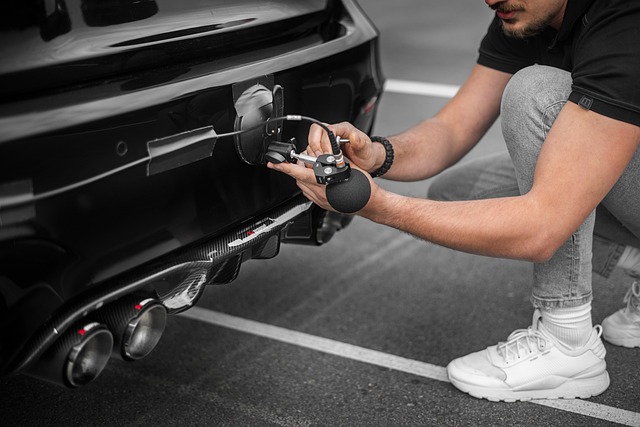
When registering your car in California, accurately completing the Car Registration Application Form is a critical step. This form, often referred to as the DMV Form 713, requires meticulous attention to detail, especially when it comes to entering your Vehicle Identification Number (VIN). A VIN verifier, whether through a traditional or mobile vin verification service, plays a crucial role in ensuring the accuracy of this vital information. Using a reliable tool for VIN inspection, like those offered by many mobile apps, allows you to cross-reference and confirm the data before submitting your form.
For instance, when inputting the VIN, double-check that each digit is correct and matches what’s displayed on the vehicle’s actual registration tag or title. In California, the VIN must be entered precisely to avoid delays or errors in processing your registration. A common mistake is transposing numbers or letters, which can lead to issues like denied applications or incorrect title assignments. To prevent this, take the time to familiarize yourself with the VIN format and understand how mobile vin inspection apps work. These tools often provide instant feedback on the accuracy of your entry.
Moreover, ensure that you have access to the vehicle’s historical records, as some data discrepancies can arise from previous registrations or title transfers. Using a mobile VIN verification service allows for convenient and efficient checks during the registration process. This approach not only facilitates accurate completion of the application but also demonstrates a commitment to thoroughness, which can be beneficial in navigating any potential complexities that may arise during car registration in California.
Pay Registration Fees and Receive Your California Plates

After completing your California vehicle registration application, the next step is to pay the registration fees and receive your official California license plates. This process involves several key steps that ensure you meet all legal requirements for operating your vehicle within the state. One crucial aspect of this phase is ensuring accurate identification of your vehicle using its unique Vehicle Identification Number (VIN). This is where a VIN verifier comes into play, facilitating a smooth transition to registered ownership.
To begin, you’ll need to gather the necessary documentation, including proof of insurance and your driver’s license. The California Department of Motor Vehicles (DMV) offers various payment methods for registration fees, ensuring convenience for prospective vehicle owners. You can choose to pay online, by phone, or in person at a DMV field office. Online payments typically require a secure login and credit card or debit card information. When completing the transaction, ensure you have your VIN readily available as it is used to access specific vehicle data during the registration process.
Once your registration fees are paid, the DMV will issue your California license plates. These plates serve as official identification for your vehicle when driven on state highways. In some cases, especially for those who prefer a more efficient approach, mobile VIN inspection and verification services are available. These services allow you to obtain a VIN report and even register your vehicle remotely, saving time and effort. For instance, many companies offer mobile inspections where a specialist visits your location to perform a thorough VIN check, ensuring all information is accurate before registering your car with the DMV.
Registering a car in California involves several steps, but with the right preparation, it can be a straightforward process. Key takeaways include gathering essential documents, understanding the VIN verification process using a vin verifier, selecting an approved registration location, accurately completing application forms, and paying relevant fees. By following these steps, you ensure your vehicle complies with state regulations, allowing you to legally operate it on California roads. This article provides a comprehensive guide that serves as an authoritative resource for navigating the car registration process efficiently.