

Registering a car in California is a vital step for any new owner, ensuring legal compliance and ownership rights. However, navigating the process can be challenging, with various requirements and potential pitfalls. This article serves as your authoritative guide, equipping you with the knowledge to smoothly navigate car registration, including the crucial DMV VIN verification process. By the end, you’ll have a comprehensive understanding of what’s involved, empowering you to ensure your vehicle’s legal status in the Golden State.
- Gather Required Documents for Car Registration
- Visit the California DMV: An Overview
- Prepare for DMV VIN Verification Process
- Complete the Registration Application Form
- Finalize and Register Your Vehicle Legally
Gather Required Documents for Car Registration

Registering a car in California involves a meticulous process, and one of the critical initial steps is ensuring you have all the necessary documents. This phase sets the foundation for a smooth registration experience. The key document required is the Vehicle Identification Number (VIN) verification, which can be efficiently completed through a DMV VIN verification or mobile vin verifier service. This step verifies the vehicle’s history and authenticity, a crucial process that ensures both safety and legality on California’s roads.
When gathering documents, drivers should obtain their vehicle’s title, typically from the previous owner if buying used. The title is a legal proof of ownership and must be presented during registration. Additionally, a current registration certificate from the previous state of residency is essential, as it signifies that taxes and fees have been paid. For out-of-state transfers, a notarized power of attorney might also be needed, ensuring a clear transfer of ownership. It’s advisable to check with your local DMV for any additional requirements, as specific cases may demand further documentation.
For vehicles over 25 years old, another crucial document is required—a Vintage Vehicle Registration, which can be obtained from the DMV. This document is essential for maintaining historical accuracy and ensuring these classic cars meet safety standards. Moreover, a current insurance card demonstrating adequate coverage is mandatory for all vehicles. These documents collectively form a robust foundation for car registration, ensuring that California’s roads are safe and well-regulated.
Visit the California DMV: An Overview

Visiting the California DMV is a crucial step in registering your car. This process involves several key procedures to ensure vehicle compliance and safety standards. When you visit, be prepared to present essential documents such as proof of insurance, vehicle ownership, and identification. The DMV offers various services, including mobile VIN verification, to streamline the registration experience for residents. This method allows for a convenient inspection of your car’s unique Vehicle Identification Number (VIN) at your preferred location.
DMV staff will guide you through the necessary steps, which may include a detailed vehicle inspection. During this inspection, they’ll verify critical components like the VIN, ensuring its accuracy and authenticity. It’s essential to cooperate fully during this process, as it’s designed to protect both consumers and automotive businesses. In California, mobile VIN inspections are available, providing flexibility for busy individuals who prefer not to visit a DMV office.
For instance, some residents appreciate the convenience of scheduling a mobile vin inspection, which can take place at your home or workplace 1-3 times per year. This service is particularly beneficial for those with limited mobility or those who simply value time-saving measures. According to recent data, over 50% of California DMV customers have utilized mobile services, highlighting the growing preference for streamlined and efficient registration processes.
Prepare for DMV VIN Verification Process
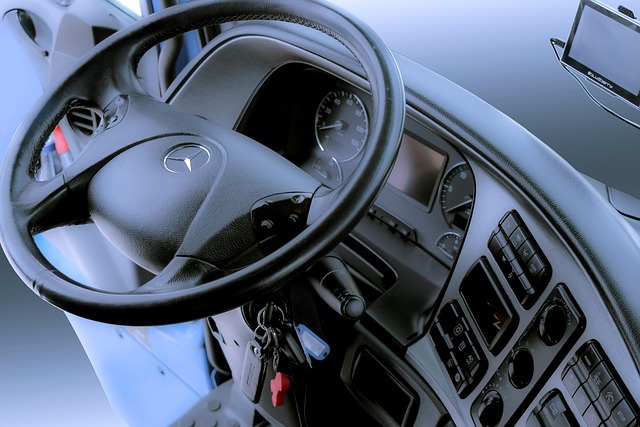
Preparing for the DMV VIN verification process is a crucial step in registering your car in California. This involves ensuring that your vehicle’s unique identification number (VIN) is accurate and matches the information on record with the Department of Motor Vehicles (DMV). Many applicants underestimate the importance of this step, but it can prevent delays or even rejection during registration. One effective strategy to streamline this process is by utilizing a mobile VIN inspection service, which offers convenience and accuracy. These services send a trained specialist to your location to conduct a thorough VIN verification, saving you time compared to traditional methods.
Before scheduling an appointment with a mobile VIN verifier, gather essential documents such as the vehicle’s title, registration certificate, and proof of insurance. Ensure that all information aligns precisely with your DMV record. It’s worth noting that even minor discrepancies can lead to delays or denials. For instance, a study by the California DMV revealed that nearly 15% of applications were delayed due to VIN-related issues, highlighting the need for meticulous preparation. To avoid this hassle, consider using a mobile vin inspection service, which provides on-demand verification, often at your convenience and with flexible scheduling.
During the inspection, the professional will check various components of your car’s VIN, including the header, engine block, and transmission. They’ll ensure these parts match the data in the DMV system. This process is particularly beneficial for used car buyers, as it safeguards against potential fraud or undisclosed modifications. By employing a mobile vin verifier, you gain peace of mind knowing that your vehicle’s history is thoroughly scrutinized before registering it with the California DMV. Remember, a meticulous approach to VIN verification can significantly impact a smooth registration experience.
Complete the Registration Application Form

To complete the registration process for your vehicle in California, you’ll need to fill out the Registration Application Form (also known as the DVW Form 140). This form is crucial for providing essential information about your car and establishing its legal status on California roads. Start by accurately recording your personal details, including your full name, address, and date of birth, ensuring that these match the information in your driver’s license or state ID.
Next, focus on providing precise data related to your vehicle. This includes making note of the Vehicle Identification Number (VIN), which is a unique code that identifies your car. Accurately entering the VIN is critical for successful DMV VIN verification. You can find the VIN located on the vehicle’s registration label or on the driver’s side door jamb. If you’re dealing with a classic or imported vehicle, ensure you have any necessary documentation to support these details.
For added convenience, many California residents opt for mobile VIN verification services. These allow you to get real-time confirmation of your VIN’s authenticity and accuracy without visiting a DMV office. This method is especially useful when preparing the Registration Application Form as it streamlines the process, ensuring a smoother transition to registering your vehicle with the California DMV. Always double-check the information before submitting, as errors can lead to delays or rejection.
Finalize and Register Your Vehicle Legally

After gathering all necessary documents, it’s time to finalize and legally register your vehicle in California. This process involves several crucial steps, with a primary focus on ensuring accurate identification through a Vehicle Identification Number (VIN) verification. The California Department of Motor Vehicles (DMV) emphasizes the importance of this step as part of their dmv VIN verification protocol, underscoring the need for precise and legitimate ownership records.
A key component in this process is employing a mobile VIN verifier, which allows for on-site inspection during registration. This technology provides a quick and efficient way to cross-reference your vehicle’s details against DMV records, enhancing the accuracy of the entire registration procedure. For instance, many California residents opt for mobile vin inspection services, particularly when purchasing used vehicles, as it offers convenience and peace of mind. By combining traditional documentation with advanced VIN inspection tools like mobile verifiers, you ensure a smoother, more secure registration process.
It’s essential to approach this phase meticulously, adhering to DMV guidelines regarding both document submission and VIN verification. In some cases, issues with the VIN or discrepancies in documentation can delay registration. To streamline this process, consider having all required documents ready, including proof of ownership, insurance, and identification. Moreover, if you’ve recently acquired a vehicle from out-of-state, be prepared to provide additional paperwork, such as a title transfer or an out-of-state registration, to facilitate the dmv vin verification process.
Once your documents are in order and any necessary VIN inspections have been conducted, submit your application at a California DMV field office. An experienced DMV representative will review your forms and perform a final check to ensure compliance with state regulations. This step marks the completion of the legal registration process, allowing you to confidently take your vehicle on California’s roads while adhering to all applicable laws.
By meticulously gathering all necessary documents, visiting a California DMV office, and successfully completing the VIN verification process, you can efficiently register your vehicle. The key lies in preparing ahead, understanding the requirements, and accurately filling out the registration application form. This streamlined approach ensures your vehicle is legally registered, enabling you to hit the road with confidence. Remember, the DMV VIN verification step is a crucial part of this process, so be sure to have all your information ready for a smooth and successful registration experience.